

Handmade Holiday Décor: A Collected, Not Cluttered, Christmas Look
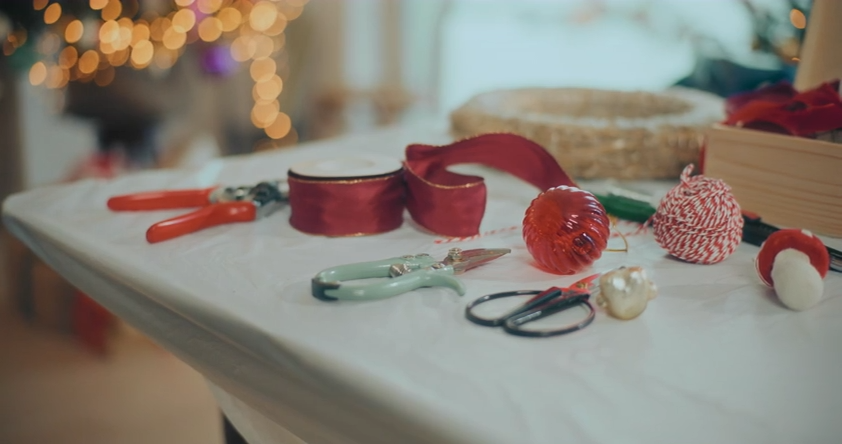
Holiday decorating can become overwhelming when every surface competes for attention. Yet the most inviting Christmas spaces often feel as though someone has taken time to arrange a few treasured details. Ribbons on a table, a carefully gathered garland, and warm points of light create texture and anticipation without requiring a room full of objects. For Eventiva's celebration-focused perspective, the goal is not simply to decorate; it is to create a home or event space where guests can settle in, notice details, and enjoy being together.
Choose a palette that offers room to breathe
Begin with two dominant colors and one accent rather than buying every festive shade at once. Evergreen and cream with burgundy accents feels classic; blush, soft gold, and warm white feels gentle; red with natural wood and paper feels cheerful and handmade. Test your colors together under the lighting that will be used during the gathering. Warm light can soften metallic finishes, while cool light can make them appear sharper. Limiting the palette also allows decorations from different sources to look intentional.
Think about texture as part of the color story. Matte paper, satin ribbon, textured linen, and soft foliage can create variety even when their hues are similar. Use shinier materials sparingly to catch light at important points: on a tree, near a dining table, or around a photo area. Avoid repeating glitter across every surface, especially where food will be prepared or served.
Create one handmade hero detail
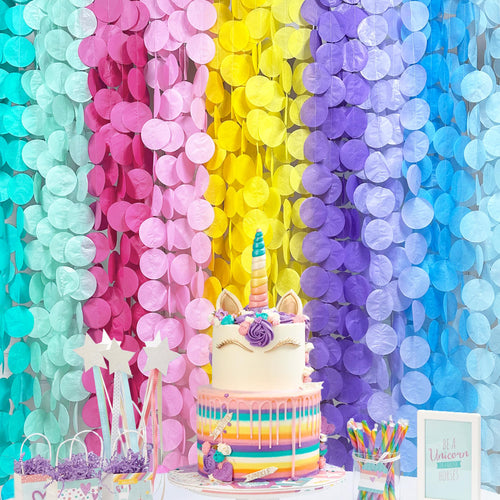
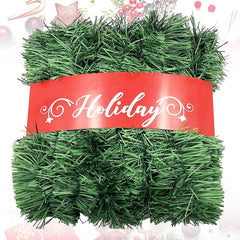
A beautiful holiday setup benefits from a main feature: a garland-lined console, a decorated tree, a photo backdrop, or a dining centerpiece. Start with that area before adding secondary touches. For example, make a ribboned greenery arrangement by repeating the same bow scale along a garland. Small paper accents can echo the ribbon colors elsewhere without turning every shelf into a display. The priority is rhythm, not volume. Leave enough open space that the individual details remain visible.
If working with handmade pieces, choose simple tasks that are satisfying rather than fragile. Tie bows in advance, cut paper shapes with consistent proportions, and lay everything out before attaching it. Adhesives must suit the surface, and attachments should be removable where required by venue rules. Keep strings, cords, and small decorative items away from infants and young children.
Build layered light instead of maximum brightness
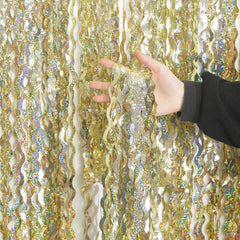
Christmas atmosphere depends heavily on the relationship between shadows and warm highlights. Start with ordinary room lighting, then add discrete festive strands to a tree, garland, or backdrop. Avoid mixing too many color temperatures in the same small area. Battery-operated lights can help where outlets are inconvenient, but batteries still need safe access and proper storage. Use indoor- or outdoor-rated products only in their intended setting, and do not overload outlets or place lights beneath loose fabric unless the product instructions allow it.
Consider how the room looks in the background of candid photographs. A single warm-lit corner behind guests can provide depth. A decorated feature does not always need to fill the frame; sometimes a softly glowing edge is enough to communicate the season. When possible, create a quiet photography angle that does not interfere with cooking, dining, or the entrance.
Make the table feel special and usable
At the holiday table, favor low arrangements, comfortable place settings, and materials that can withstand the actual meal. A narrow runner can define the center without covering the whole table. A few metallic accents may tie into garlands and tree décor, but they should never obstruct plates or conversation. Food-safe serving pieces and sturdy disposable tableware can be useful for a larger gathering, especially when cleanup space is limited.
Build a separate wrapping or craft station if guests are decorating cards or favors. Keeping scissors, ribbons, gift bags, and paper in a defined area prevents clutter from migrating onto the dining table. Provide storage for scraps and let guests participate without requiring them to navigate sharp tools or fragile decorations.
A holiday editing checklist
· Choose two main colors and one accent; remove anything that does not serve the palette.
· Give each room one clear decorative focal point.
· Repeat a small number of shapes, such as bows, stars, or greenery clusters.
· Use stable, appropriate lighting and keep electrical connections accessible.
· Keep circulation routes, doors, and serving surfaces unobstructed.
· Photograph the finished space from guest eye level and remove distracting extras.
Celebrate the details people will remember
A handmade-feeling Christmas environment is successful when it feels warm and personal rather than overproduced. The texture of a ribbon, the placement of a garland, and the glow in the room become part of the experience. Shop for pieces that can be reused in another setting, store them carefully after the event, and allow your own traditions to guide the final design. A thoughtful arrangement can be more memorable than an extravagant collection of decorations.