




How to Style an Intimate Lakeside Wedding That Feels Effortless
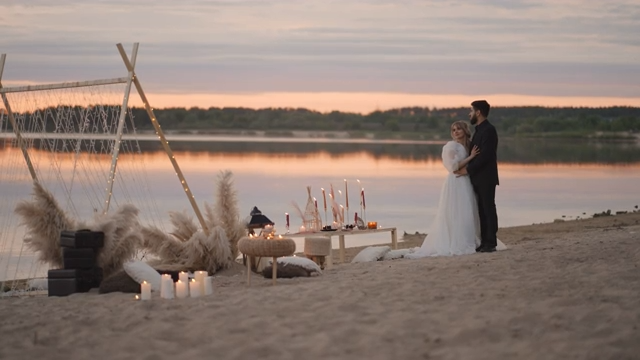
A lakeside wedding is naturally beautiful, but the most memorable version is rarely the most elaborate. A quiet shoreline, the changing sky, and the presence of loved ones already provide a compelling backdrop. The styling challenge is to support that atmosphere instead of competing with it. An intentional ceremony plan can make a modest gathering feel considered, personal, and exceptionally inviting. Think in terms of a few well-chosen focal points, a practical arrival experience, and a seamless transition into the celebration after the vows.
Begin with the landscape, not the decorations
Visit the proposed ceremony location at roughly the same time of day as the event. Notice where the sun will sit, which direction the breeze travels, how quickly the ground slopes, and where guests will naturally look. A sunset-facing ceremony may create an extraordinary view, but it can also place the sun directly in guests' eyes. A small change in angle can improve comfort and photography. Choose one visual anchor, such as a simple arch or a light textile backdrop, and let water, sky, and shoreline remain visible around it.
Keep the color story grounded in the setting. Warm ivory, sand, muted blush, moss, and champagne sit naturally against a lakeside landscape. A few metallic details can catch evening light without dominating the photographs. Rather than matching every item perfectly, repeat two or three colors across the ceremony textiles, florals, printed signs, and reception tables. Repetition creates coherence even when individual materials have different textures.
Create a ceremony focal point with restraint
A slender freestanding frame, delicate draping, or an airy floral arrangement can define the ceremony without making the shoreline feel enclosed. If you use a backdrop, secure it for the expected wind and place it so there is enough room for the couple and officiant. Pampas-style textures, small floral clusters, and lantern-shaped décor may work together, but they do not all need to appear at full scale. Give the eye quiet places to rest. When the couple stands in the center, they should remain the unmistakable focal point.
Candles add warmth to evening scenes, but open flames are not suitable for every venue or weather condition. Where rules or wind make real candles impractical, use stable flameless lights. Keep anything electrical away from water and follow the manufacturer's stated indoor or outdoor rating. Eventiva's decorative lighting, banners, and backdrop-style categories can inform an adaptable design, but always select products for the actual surface, climate, and venue restrictions.
Design the guest journey before styling the tables
Walk the route from the parking or drop-off point to the ceremony. Guests need to know where to enter, where to sit, and how to find the reception area afterward. Place a welcome sign near the real decision point rather than wherever it photographs best. Allow enough aisle width for comfortable movement and consider accessible paths over sand or uneven ground. If seating is limited or informal, explain the arrangement before guests arrive. Provide a weather plan that does not depend on a last-minute guess about rainfall.
A small refreshment station, discreet seating markers, and a clearly defined photo area can make the experience feel complete. If the reception follows on the same shore, use familiar colors and materials so guests recognize the connection between the ceremony and the meal. The same linen tone or metallic accent may appear in a ceremony bow, table runner, and cake display without making those details identical.
Use the sunset as a design feature
Build the schedule backward from the desired light. Allow time for arrival, seating, the ceremony itself, and portraits before the last usable daylight disappears. After dusk, gentle layers of light are more flattering than a single powerful source. Warm string lights can establish the environment, while focused lighting helps guests see steps, menus, and table settings. Avoid positioning bright lights directly behind speakers or in the sightline of the couple. Ask a photographer or coordinator to review the setup before final placement.
For an intimate dinner, concentrate detail where people will spend time: the dining table, dessert moment, and guest conversation zones. Simple chargers or coordinated disposable tableware can look polished when paired with quality linens and intentional spacing. Avoid tall centerpieces that block eye contact. If the site permits it, a separate photo backdrop can offer a playful moment without interfering with the ceremony view.
A practical lakeside wedding checklist
· Confirm venue access, permits, wind exposure, and any restrictions on flame, sound, or installations.
· Test the ceremony backdrop for stability and keep weighted supports out of the walking path.
· Map guest arrivals, accessible routes, seating, restrooms, and the transition to dinner.
· Prepare a weather alternative before sending final vendor and guest instructions.
· Check all décor in daylight and again at dusk to confirm it remains visible and safe.
· Pack a compact finishing kit with clips, tape approved for the surface, spare batteries, and clean cloths.
Bring the scene together
A refined lakeside celebration works because the setting, guest comfort, and meaningful details all support one another. Choose fewer elements, give each element a purpose, and repeat a restrained palette across the event. The result can feel expansive and special without requiring an oversized décor budget. The best final test is simple: when the decorations are in place, can guests still notice the landscape, hear the vows, and move easily through the evening? If the answer is yes, the styling is doing its job.